



The following is an edited version of a personal preparedness document we’ve been circulating among friends, family and colleagues since April 2026. We’ve tried to clean it up a bit and add some pictures of our preparedness setup, but it’s still somewhat incomplete.
This document isn’t intended as a guide for people to follow — we think that part is better handled by a walkthrough app — but more as a high level description of key points and the reasoning behind the suggestions.
The suggestions we’re sharing here come from:
Our own research into preparedness dating from mid-2024,1 when we first became concerned about AI cyber risk to national infrastructure.2
Conversations with employees and former employees at frontier AI labs, who have long been concerned about similar things. Many of them are now taking measures like those we’ll describe here.
Special forces operators from U.S. Tier 1 units that we collaborated with as part of some previous work protecting AI datacenters from nation state adversaries. They kindly recommended some of the items and/or brands on the list below to us, based on their own experience operating in crisis environments.
We’ve personally implemented almost all the advice below ourselves, and have directly tested the great majority of it, though obviously not (yet) under real crisis conditions. We recommend and link to specific products and brands throughout this post, but we do not earn referral fees or commissions of any kind from those recommendations, nor are we sponsored by the companies that make these products.
Disclaimer: We’ve done our best with the descriptions below, but do your own research before taking any actions.
It’s very hard to be sure if, when, or how a major AI crisis will happen. Our best guess right now in the near term is some kind of AI enabled cyber attack on infrastructure. The impact of this crisis could range from local to national in scale — from primarily financial (e.g. mass-scale identity theft or ransomware attacks) to physical, life-and-limb. A failure in the power grid that’s large enough and long lasting enough to impact food, water, and other critical logistics chains that supply cities with essentials, is a very live possibility based on our conversations with infrastructure security specialists at the Department of Energy and in industry.
Most cities keep only a week’s worth of chlorine on hand for their water supply, for example. Most supermarkets receive stock deliveries weekly, and don’t hold much more inventory than that; and so on. Cities keep only fairly limited buffers of critical supplies on hand for emergencies, and a nation-scale event that lasts long enough can risk outpacing the resources of centralized stopgaps like FEMA.
In the near term, a critical incident could look like a mundane power or internet outage that seems at first like it’s nothing to be too worried about. Only the duration and scale of the incident will be different — and these may not be clear at the outset.
What’s the immediate cause of an outage likely to be? There’s no way to be sure. But in recent months, we’ve seen a historically unprecedented acceleration in AI cyber capabilities, and a collapse in the cost of deploying AI cyber agents. Cyber operators in the U.S. intelligence community tell us that for many, if not most, practical purposes, AI is now better than an elite nation-state hacker. AI capabilities are increasingly becoming available for anyone, anywhere, to download and use.
When you radically reduce the cost of doing something, the chance that someone will do that thing tends to increase significantly. The cost of AI cyberhacking is already low. It’s getting lower very fast.
In other words, the threat model has broadened, but which specific threats could manifest is extremely uncertain. Maybe Iran uses the latest open-source AI as part of an operation to take down the U.S. grid. Maybe it’s a different nation-state, or its surrogate or proxy. Maybe it’s a dumb ransomware attack gone wrong. Maybe it’s a worse version of the Hugging Face incident, where an AI independently wants to shut down power for who knows what reasons. Maybe it’s some jerk who just wants to see the world burn. Maybe it’s some other possibility we haven’t though of. Or maybe it’s never anything, and everything just stays normal and fine forever. We don’t know.
Eventually (2027-2029?) we anticipate that the most acute risks will shift from cyber/infrastructure hacking to biological threats. Biological threats are much harder to defend against and, if sophisticated enough, can be functionally impossible to stop.3 We think there's a decent chance we see a major cyber incident that “wakes up” the people in power enough that we’ll rush to put controls on these systems and their development — hopefully in time to avert the biological risks.
But nobody knows for sure. All we can do is prepare for the kinds of incidents we expect in the near term, and hope those incidents move the needle for decisionmakers before it’s too late.
So below is a partial list of what we’ve done for ourselves and the reasoning behind it. These recommendations are in no particular order for now, and some of them are still a bit incomplete. Over the next couple of days and weeks we’ll be organizing this list, and other guides, into this free web app to walk people through this process more easily:
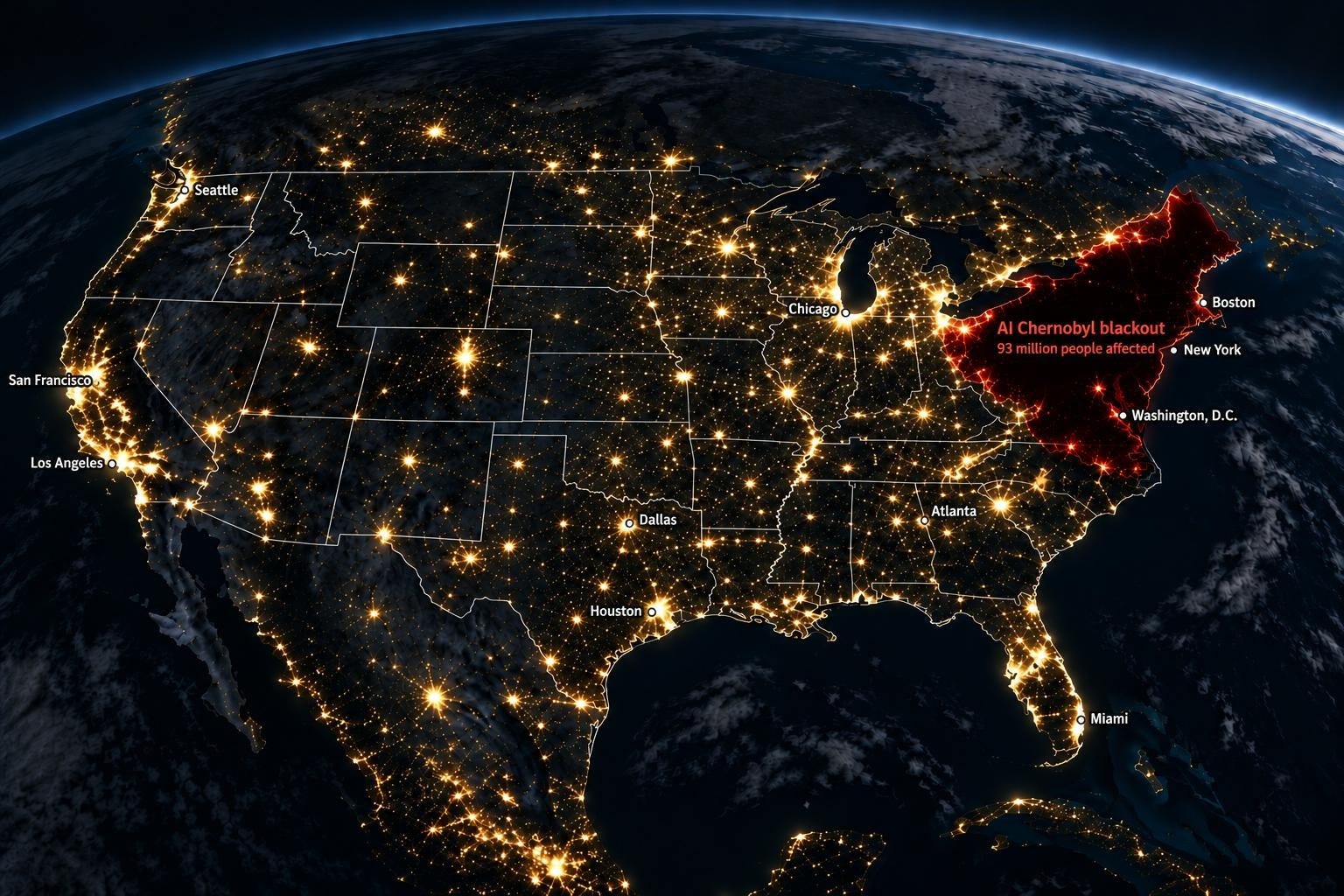
Final point — we are not professional preppers. All we’re doing is putting together recommendations from a group of people we trust, each of whom has expertise in some domain of preparedness we think is important to the specific AI threat picture most likely to hit us in the coming months and years. We implemented the advice that made sense to us, and tested as much as we could. In the face of this level of uncertainty, we think that’s all anyone can realistically do.
Any good faith feedback or criticism of this list is welcome; we plan to update it over time.
Digital preparedness vs cyber theft
This is the first set of guides we implemented in our preparedness app. The reason this is first is that we suspect — though we are very uncertain — that this is probably where AI cyber hacking will first start impacting ordinary individuals and businesses. This is because breaking into bank accounts, blackmailing people, and stealing confidential corporate documents are all lucrative criminal activities that can be automated and scaled with existing technology. So there is a decent chance we see those happen before we see large scale infrastructure disruptions.
What to do here:
Make a hard separation between your financial accounts and all your other accounts. Create a separate email address only for your banks/crypto/investment broker, with a separate password from anything else.
The email address should be something like “234ut4h2kjlsahd@gmail.com”, i.e. a completely random gmail account. Ideally you want different addresses for different banks if you have them.Write your core email addresses and passwords down on paper, and never share either the address or the password on any digital medium (except when logging into the accounts, because you can’t avoid doing that). Keep the vast majority of your crypto in an offline cold wallet if you can. Passwords and keyphrases for those accounts should be written down on paper only, and so on.
Set up MFA on all accounts that support it. Get a couple of Yubikeys for all your accounts — one main and one backup so you don’t lock yourself out of your accounts.
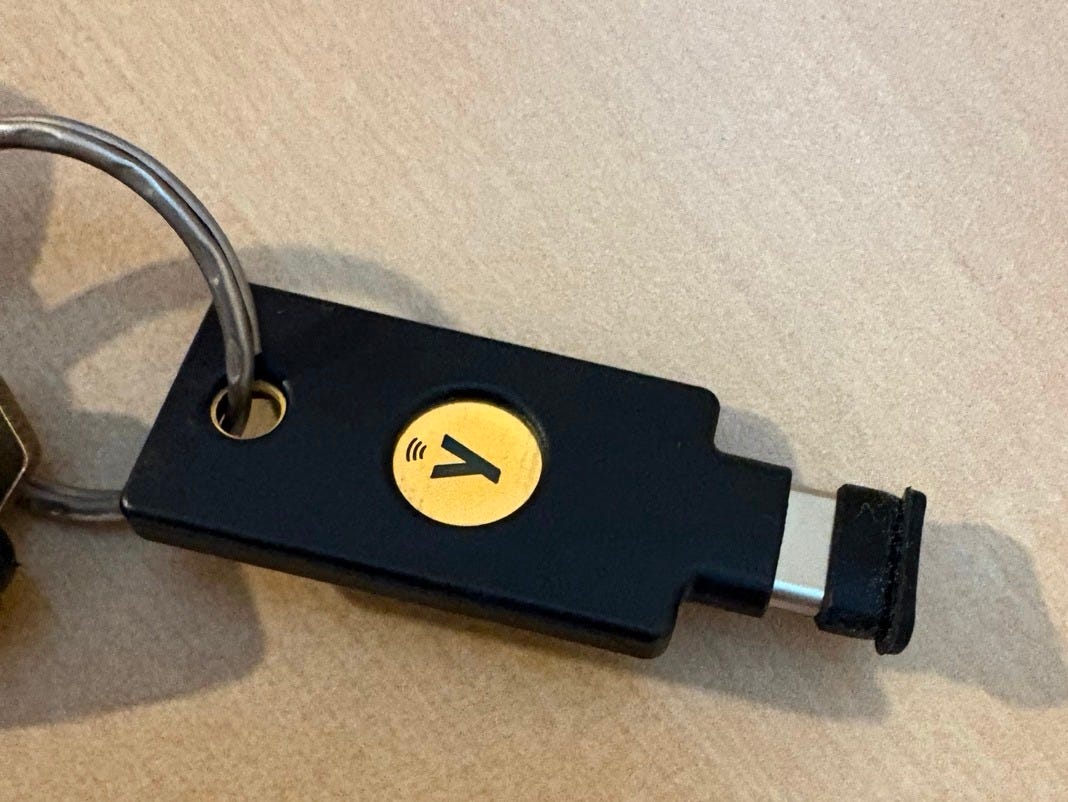
One of the authors’ Yubikeys. We’ve found it’s helpful to keep on a keychain and use a plastic cap to protect the USB-C end of it. Get familiar with how to turn on Lockdown Mode on iOS. (Settings => Privacy & Security => scroll all the way down => Lockdown Mode.)
We don’t necessarily recommend running your phone in lockdown mode by default yet, unless you’re a high profile target of known high net worth (or have other reasons you might be targeted), because it’s an annoying mode that prevents you from using a lot of features. But when you start seeing news stories of celebrities and CEOs getting targeted by AI cyber or ransomware attacks, it’s probably time to switch it on.We recommend using either Brave or Firefox as your default browser, though no browser appears to be fully secure these days. Additionally, we strongly recommend using a VPN no matter which browser you use. ProtonVPN and VyperVPN are both good.
Brave and Firefox were each recommended by friends in the military and intelligence communities. Proton and Vyper VPNs were similarly recommended to us by cyber operators. Mullvad VPN is also considered good. Note that some other VPNs — we won’t name names — are explicitly viewed by these communities as being insecure and/or compromised, though we have not directly verified any such claims.Save your personal digital archives (Google Drive, local files, email history, anything you think is important and want to keep) to a completely separate offline hard drive that you physically own. Ideally, keep that drive in a Faraday bag or metal box until you need it (see the section below on RF shielding).
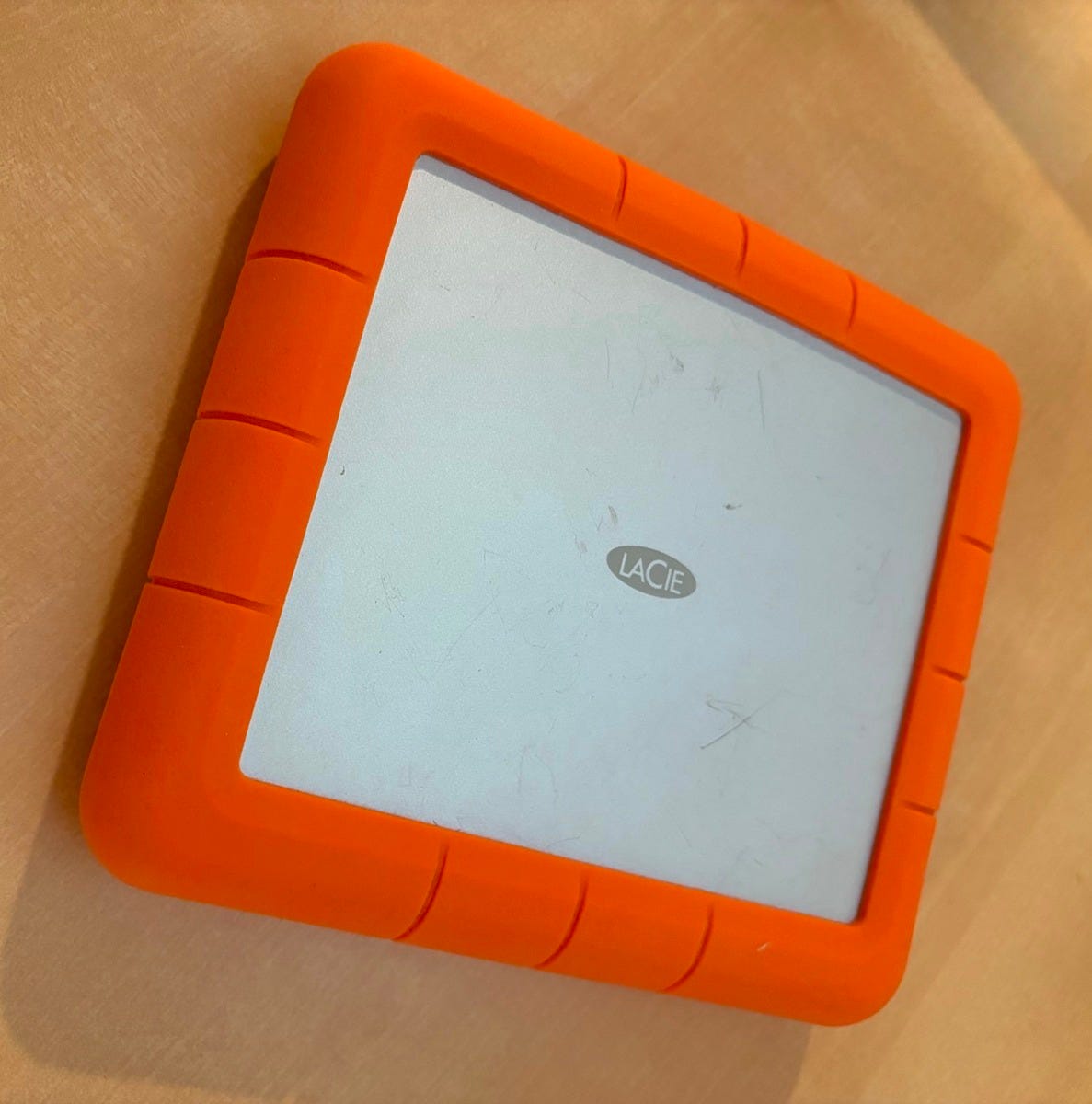
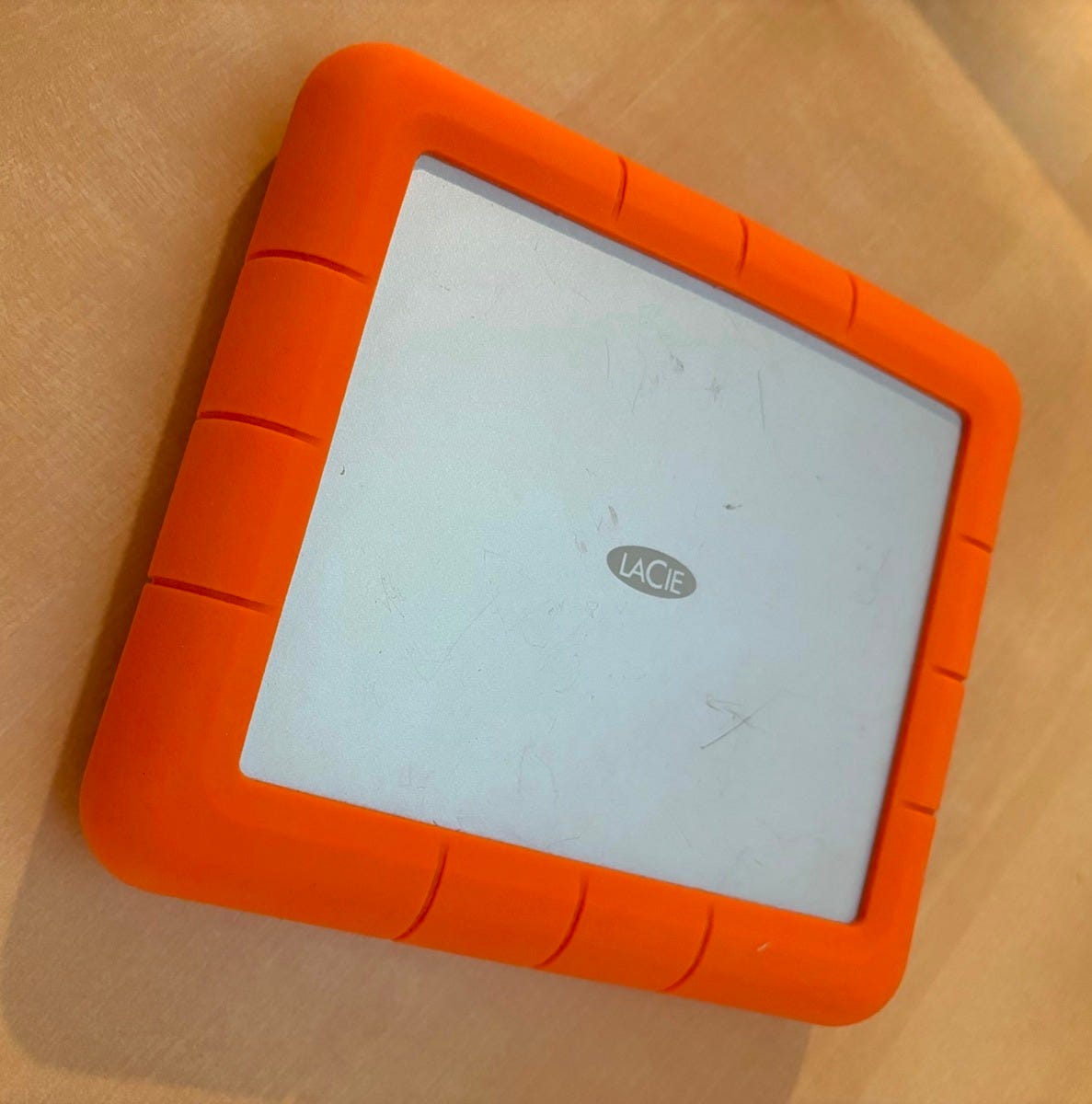
8 TB LaCie drive. This is a good, robust brand for an offline drive. You may not need quite this much storage. If you can afford it, keep at least one computer in reserve that you never connect to the Internet. You may want to download a local AI model on it too. If you do this, it’s worth getting a computer with lots of RAM — like 48GB or more, again, if you can afford it — if you want to run local AI models. (We expect consumer RAM will keep getting more expensive for the foreseeable future, so now is better than later if you want to buy a beefy laptop.4)
Freeze your credit. This should be the default, but somehow it isn’t. (It’s also not possible to do this in all jurisdictions, but it is generally possible to do if you are based in the United States.)
Keep some cash on hand for expenses in case payment networks go offline.
Food and water
Most North American cities rely on just-in-time supply chains for food supply and water treatment. Absent centralized emergency stores, this means individual citizens should have some amount of buffer available in the event of an emergency. The biggest challenges we’ve encountered here (apart from storage space limitations) are ensuring supplies keep long term and/or rotating shorter shelf-life items.
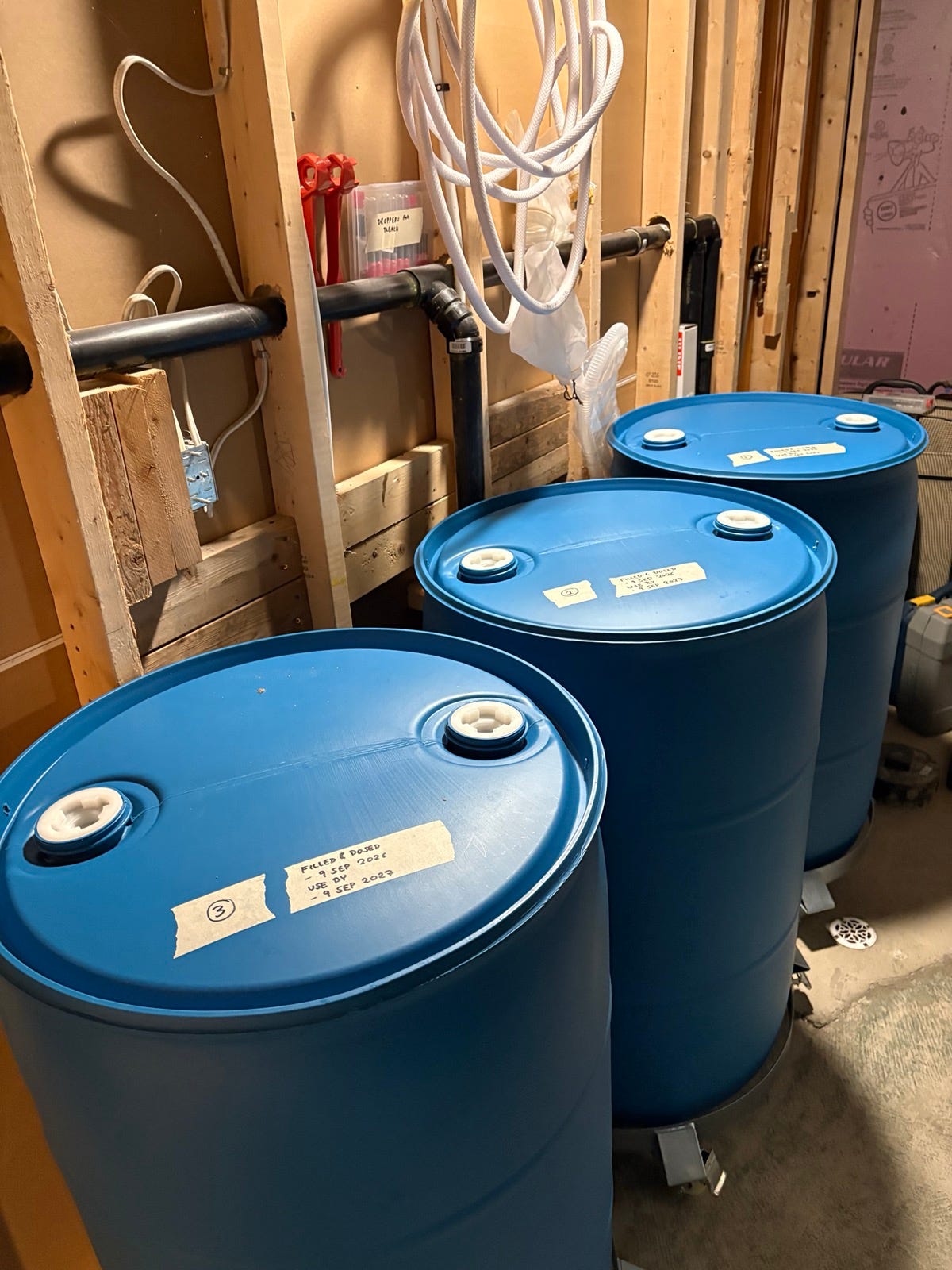
If you have the storage space, we recommend getting a few food grade 55 gallon drums and filling them with water. Uline sells these direct from the factory for about $100 each. Note: you do have to treat the water for it to keep safely.5
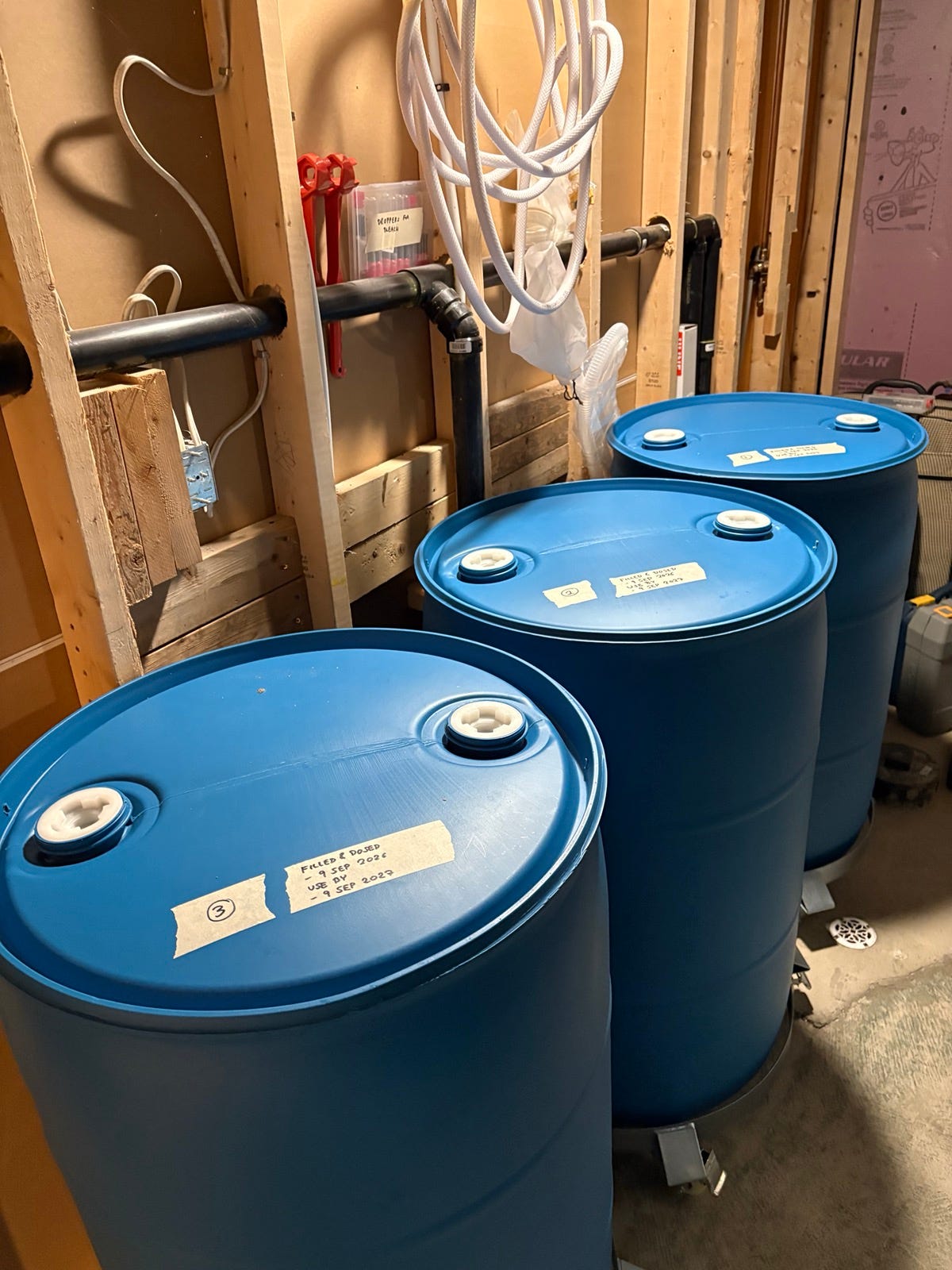
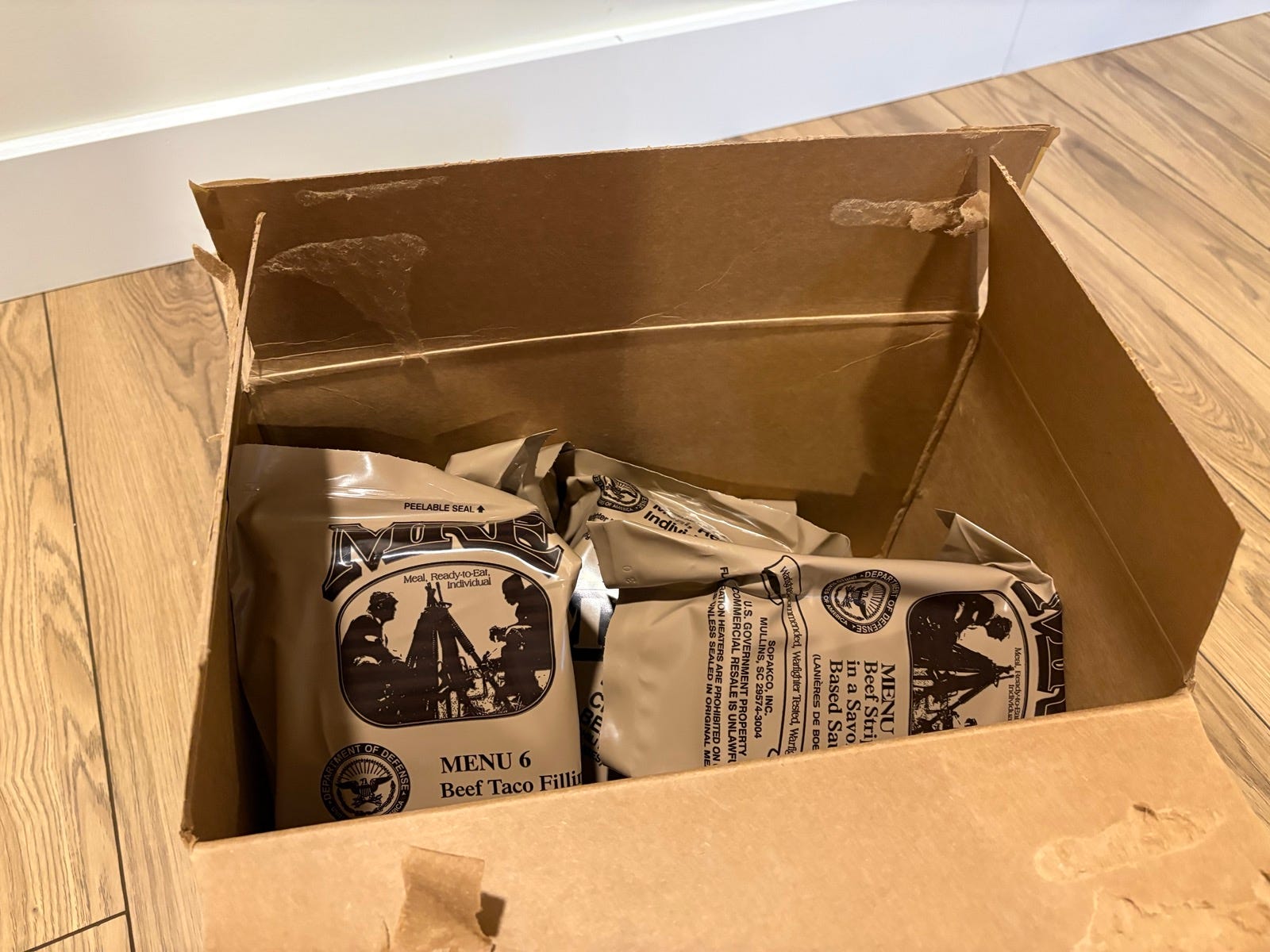
Potable water storage in one of the authors’ homes. Three food grade 55 gallon drums, filled with water, can sustain six people for 2-4 weeks in an emergency. Buy some freeze dried food and MREs. There are a bunch of places that sell MREs of all kinds and in all volumes. MREs are a bit expensive, but they keep a long time and they’re so convenient in a pinch that it’s worth having a small supply.
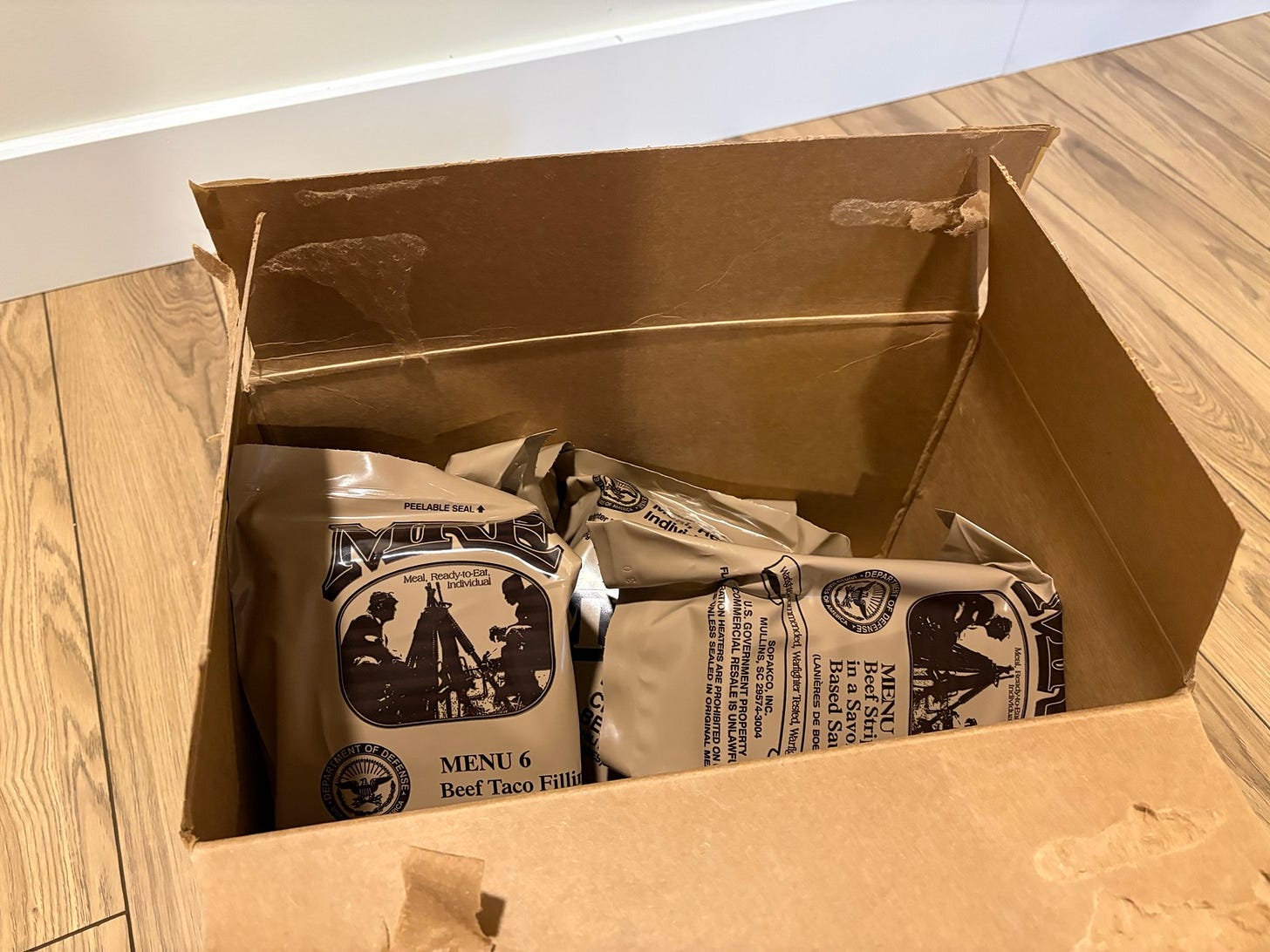
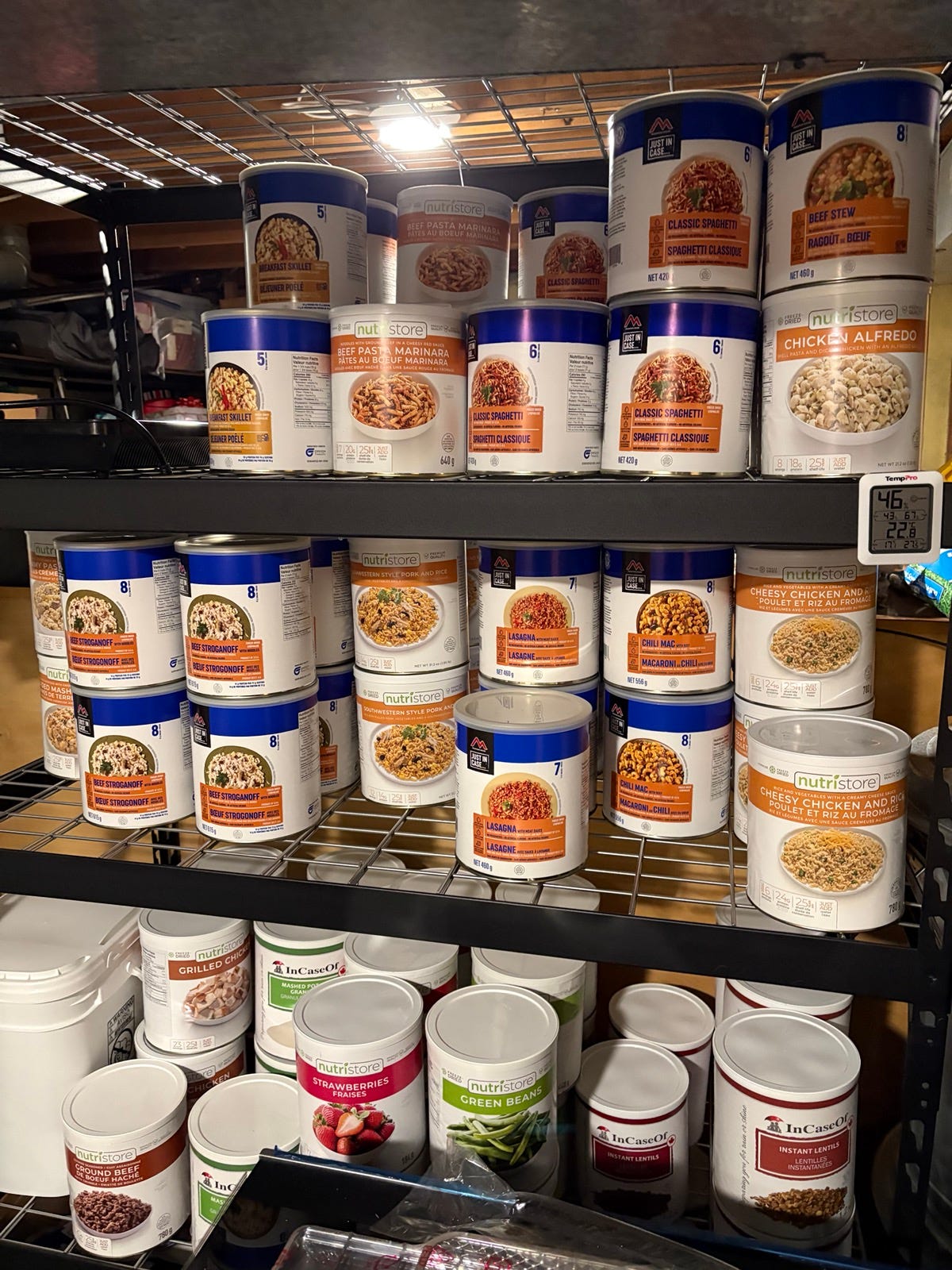
U.S. military MREs. Some meals are quite good; others, in the authors’ opinion, are very much an acquired taste. Mountain House is probably the best source for freeze dried food. They’ve been around a while, they have a great variety of meals, the taste is good (in our opinion), and their pouches and cans keep for decades.
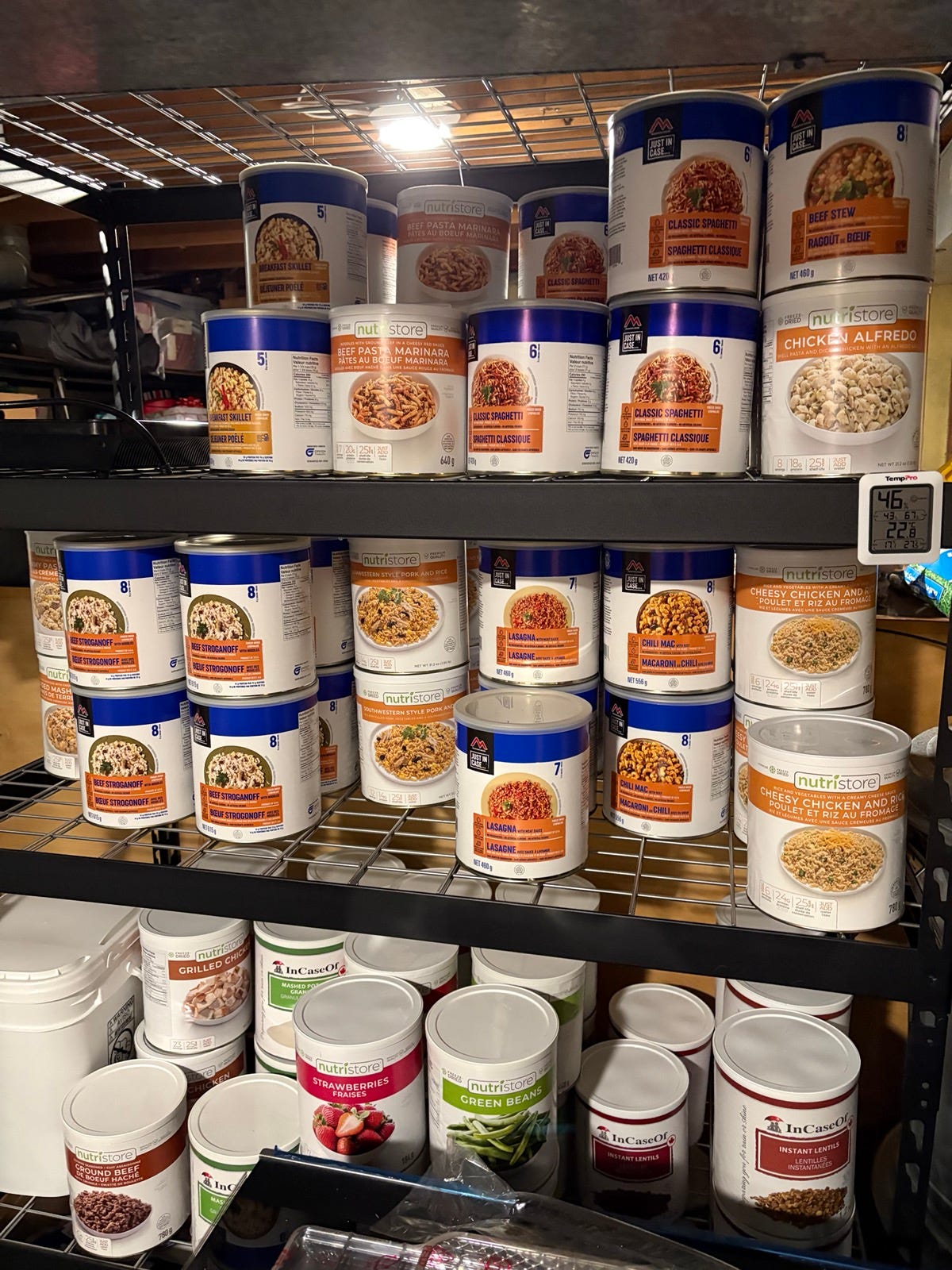
Freeze dried food storage. We think it makes sense to aim for maybe 1-6 months’ worth of supply if you can. But this depends on your personal situation, and we have some uncertainty about this recommendation in general. The rationale is this:
If you live in an apartment, it might be better to focus on buying a go bag that will hold you for a few days of travel. It is possible in principle to assemble a minimal kit that will keep one person alive in an apartment for a few months, though not in especially comfortable conditions. The problem is that an apartment is not an especially secure place to be in the event of a long term disruption, especially since it’s difficult to safely generate your own power.
If you live in a house, you may have the storage space for more than this. It’s difficult to know what to expect in the event of a large scale, and especially a long term, disruption. In those cases it might be a good idea to work with neighbors for mutual support or defense. Under scenarios like that, a bigger food supply could be helpful in stabilizing such an arrangement. It’s hard to know for sure, though in most scenarios we expect you’ll wish you had more food and water rather than less.
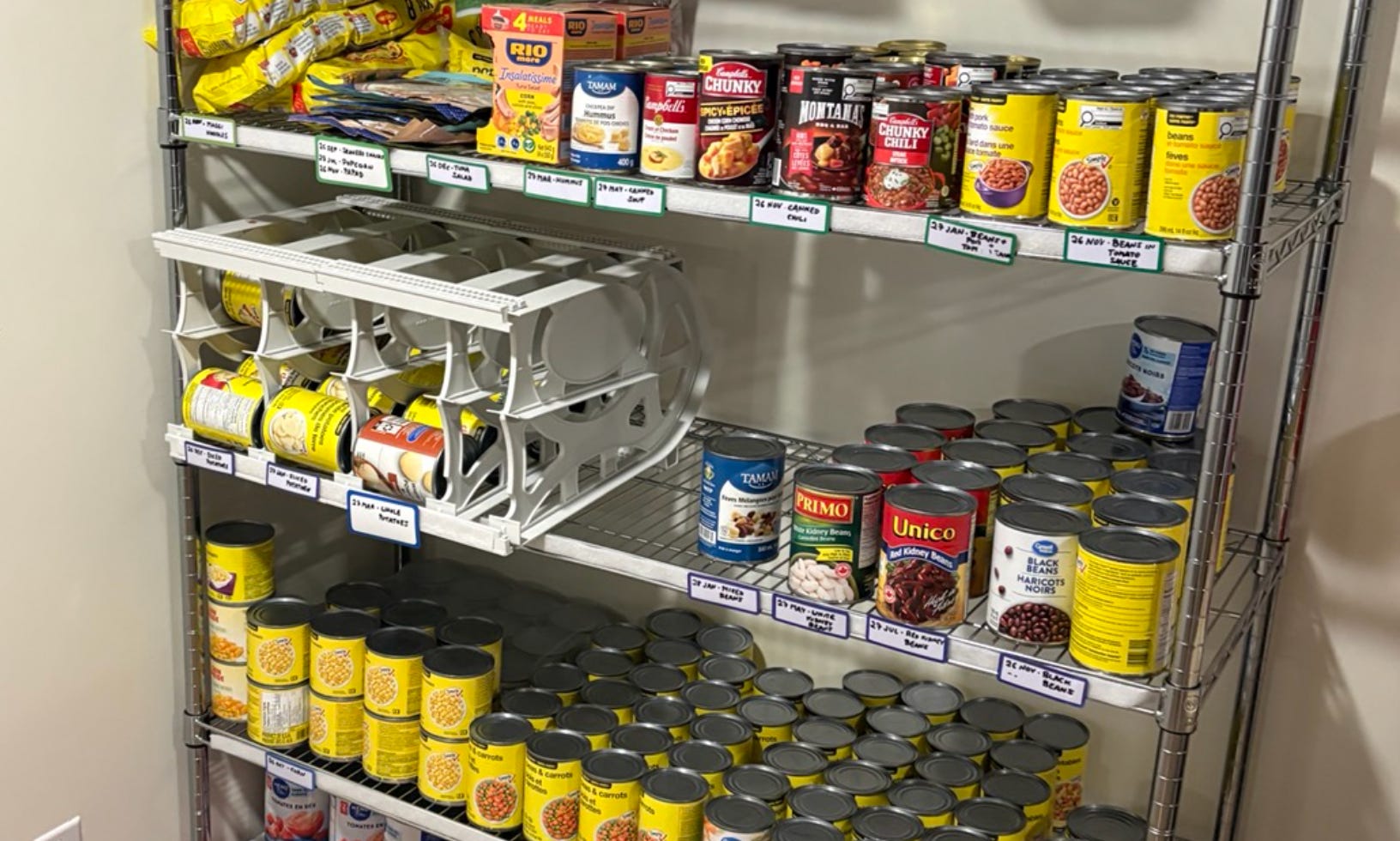
Whether you live in a house or apartment, you can probably have an extended pantry with lots of canned food and Cansolidators that make it easy to do FIFO organization of your cans. (This technique was first popularized by the LDS church.)
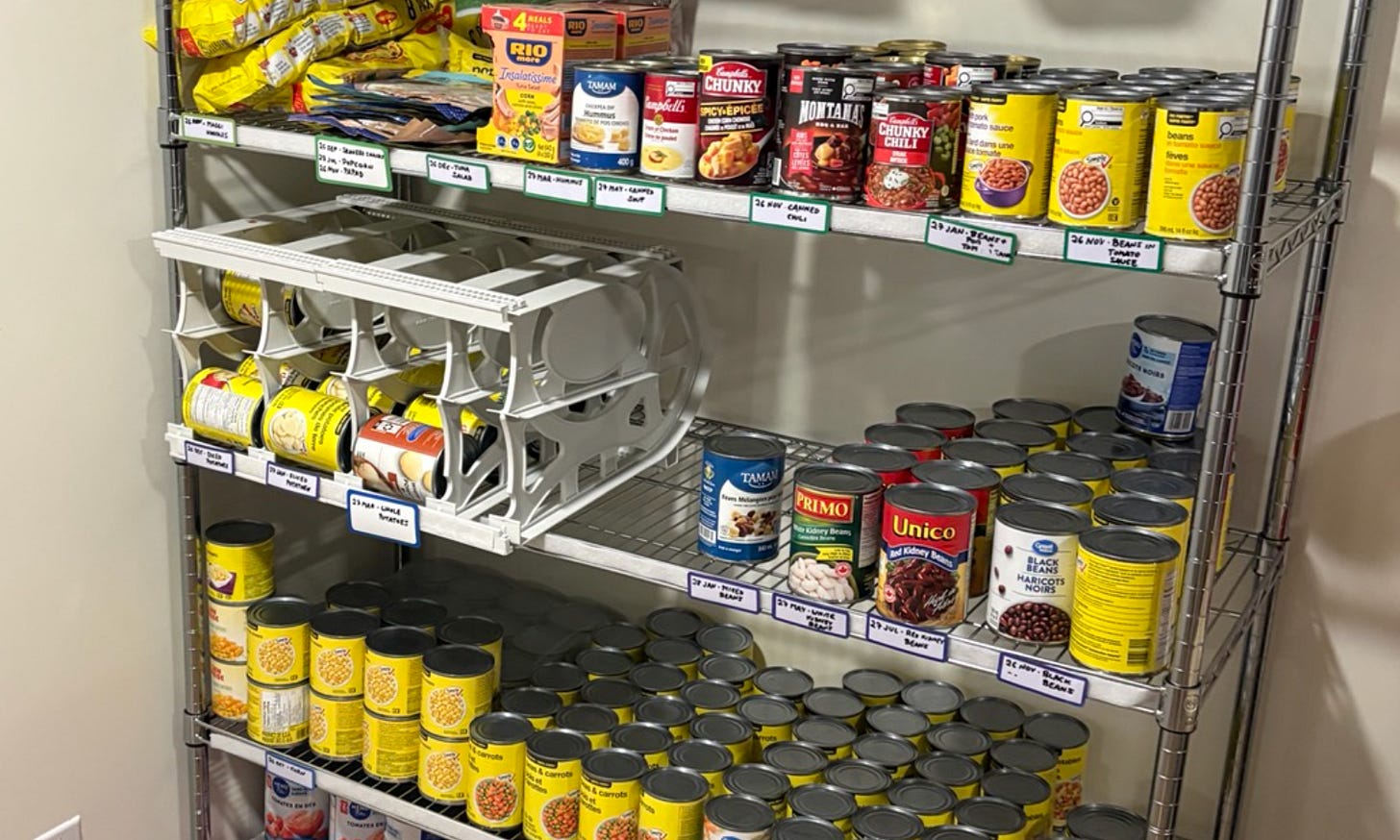
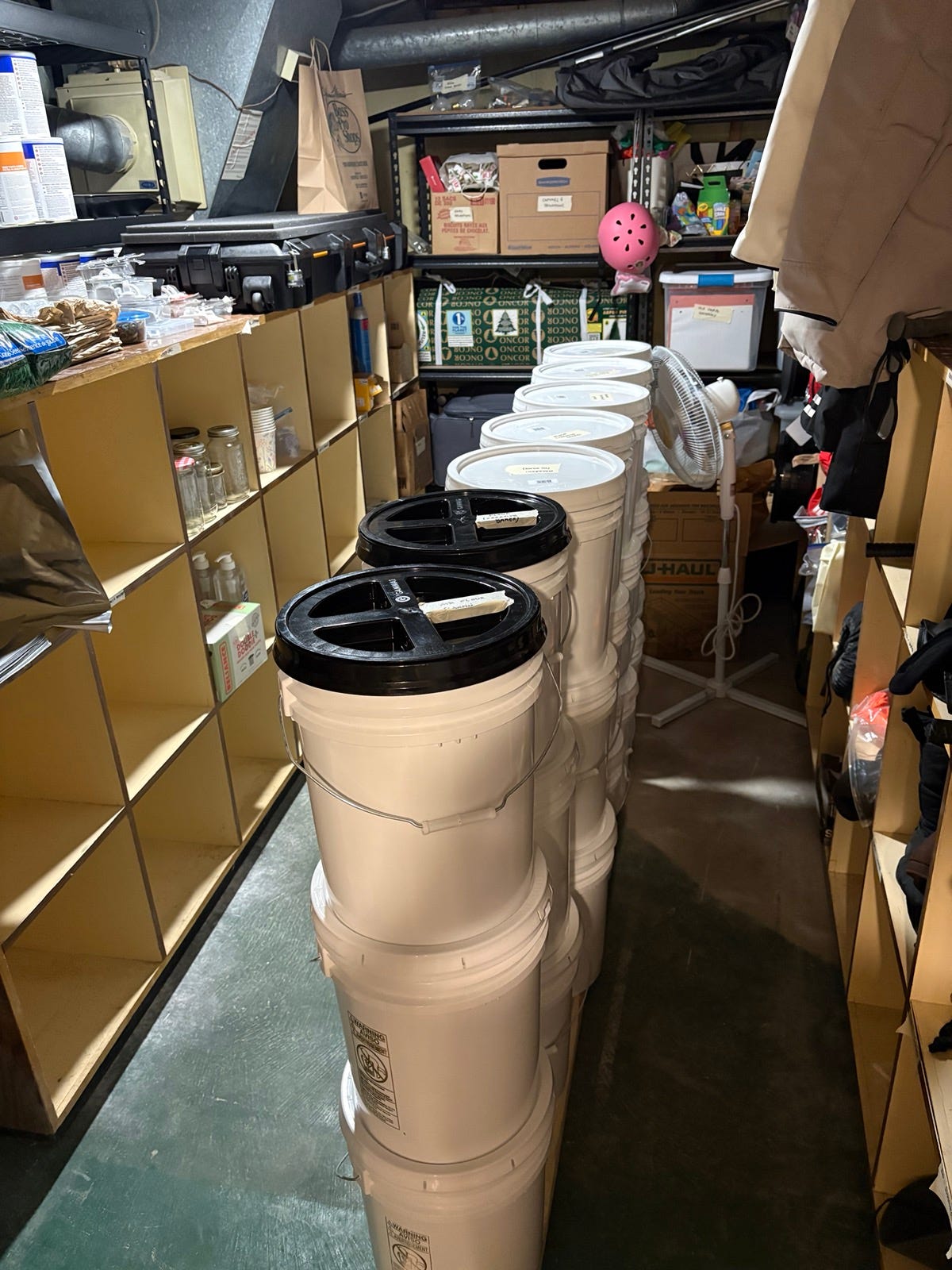
Canned food storage in one of the authors’ homes. Note the Cansolidator on the left, which is great for saving space. Dried staples like flour and rice can go into 6 gallon buckets lined with 5 gallon mylar bags. Pour rice into the mylar bag, toss in a few O2 absorbers, run a laundry iron over the top seam of the mylar bag (that gives you an airtight seal), then toss the bag into the bucket and seal it. If properly sealed, this arrangement is pest proof and oxidation proof, so most staples will keep for a decade or more this way. (We ourselves have an extended pantry, a supply of freeze dried food, MREs, and buckets of staples.)
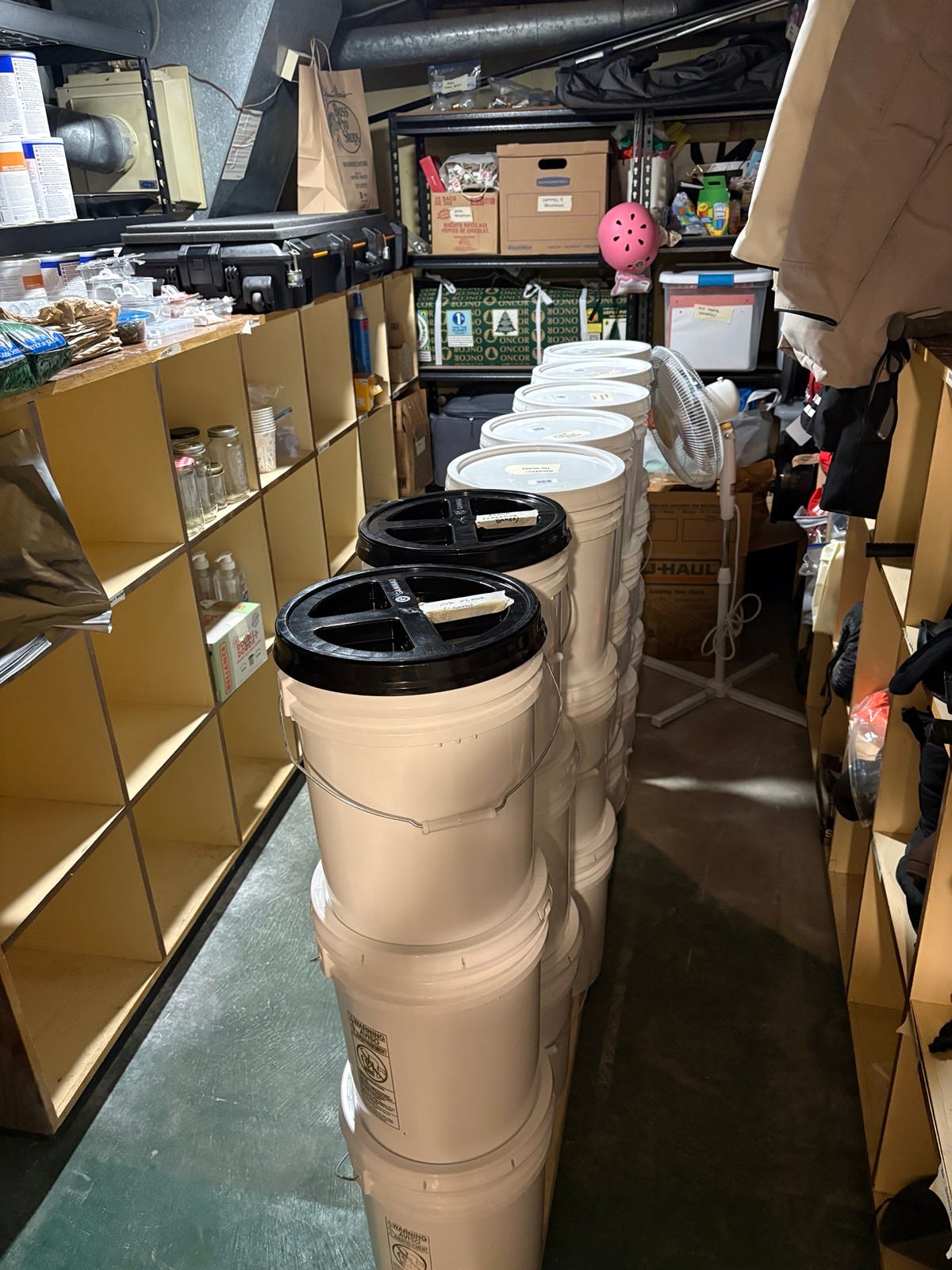
Buckets of staples in one of the authors’ basements. This is the main calorie source in a food preparedness program. Separately from the stored water, it’s worth getting a LifeStraw (personal, Mission, Community), plus Iodine purification tablets from Potable Aqua. That way you can process and purify nearby water sources with a limited storage footprint.
Energy
The best way to go — if you have a house and can afford it — is to get a generator, battery storage system, and solar panels. We recommend getting a tri-fuel generator, which can run on either ordinary gasoline, natural gas, or propane.
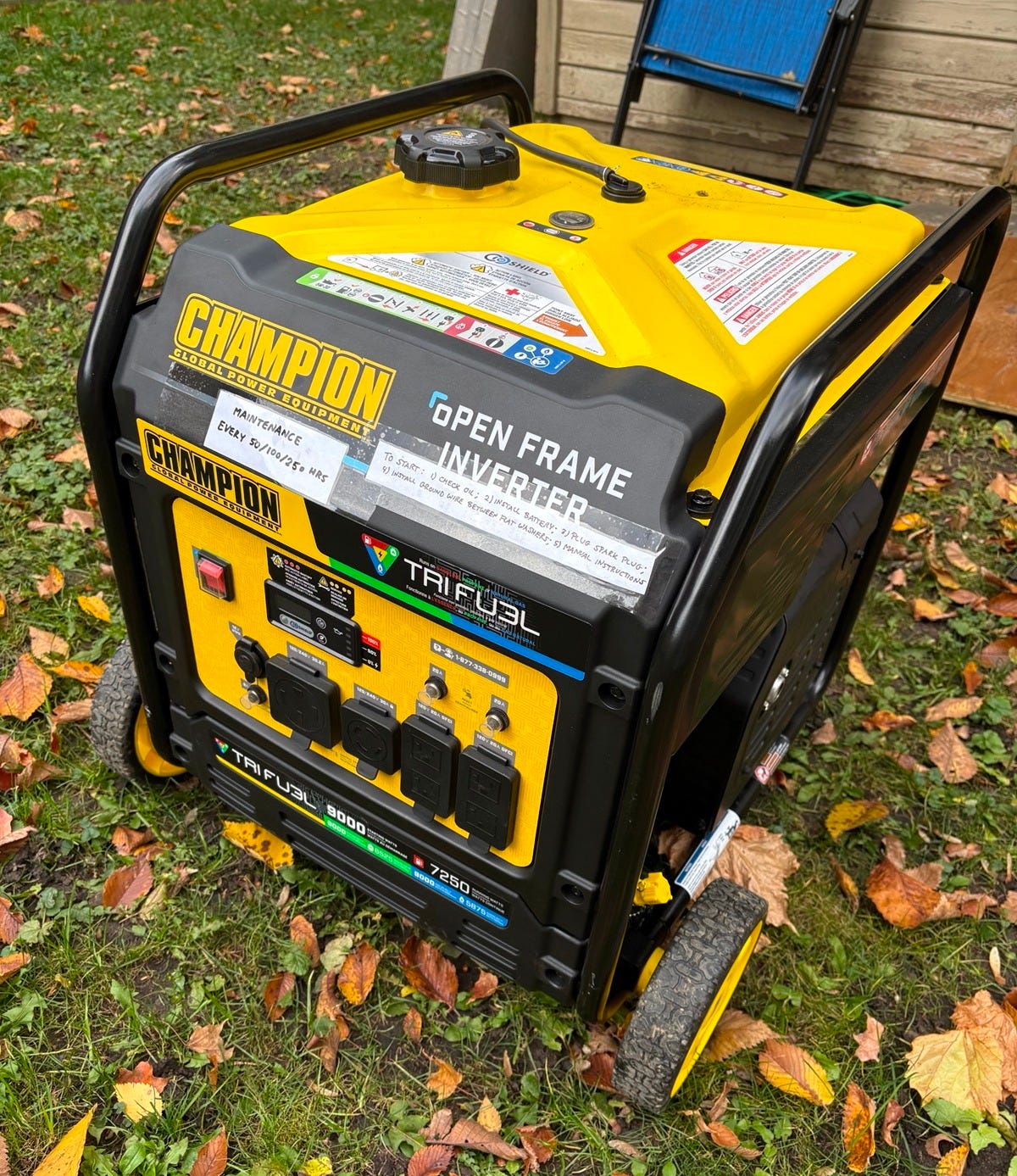
This Champion unit is really good for most normal households. It’s mobile, so you can wheel it around and out of sight while it’s not in use. The fact that it’s a tri-fuel generator means you can run it off natural gas indefinitely (assuming power is out but natural gas is still running), and you can also run it off stored propane if you have a couple of tanks on your property. Propane keeps indefinitely if it’s properly stored — unlike gasoline, which can’t be stored effectively longer than 2 years or so, even with stabilizers.6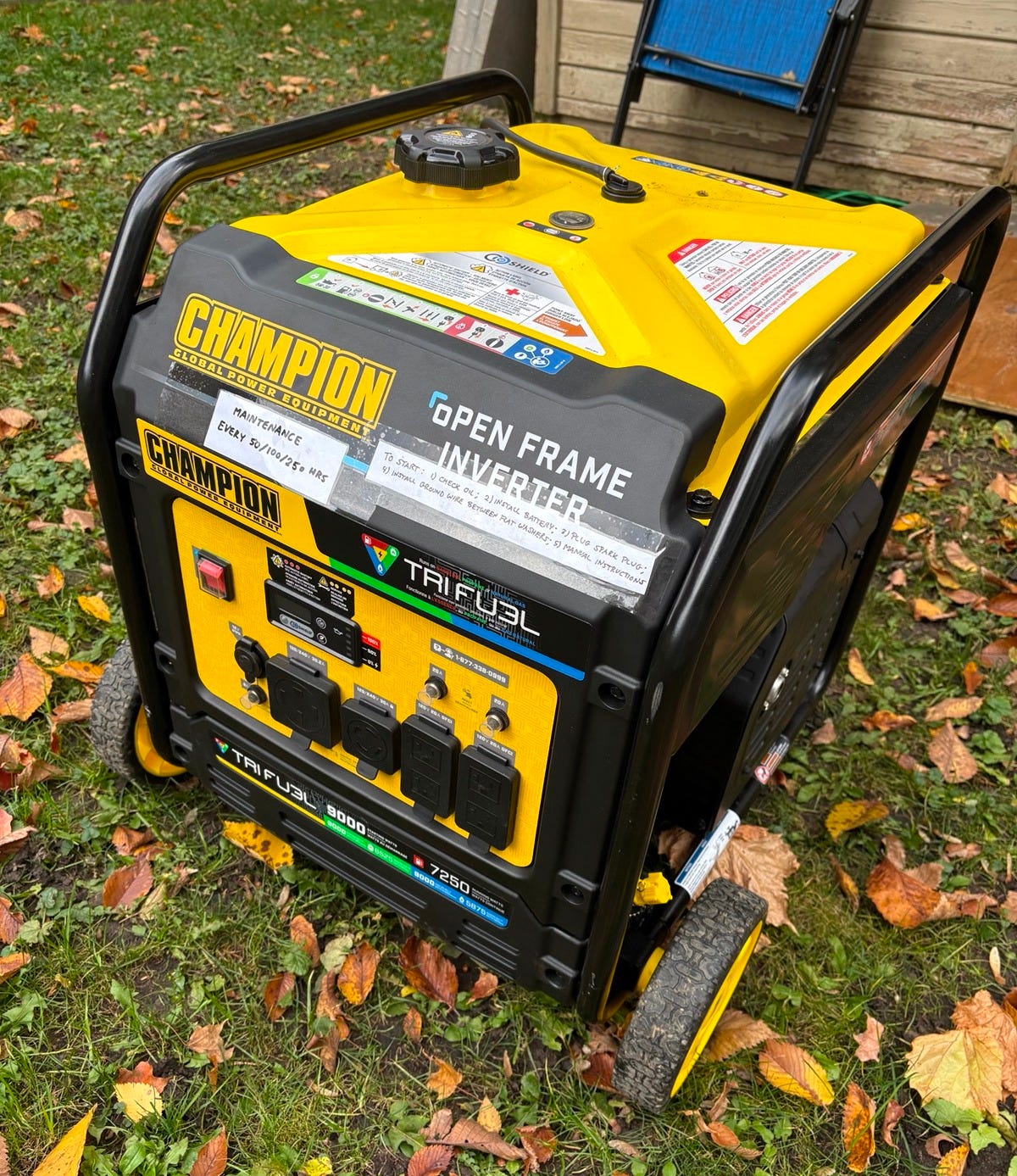
Mobile tri-fuel generator from Champion Power Equipment. You may have seen these around at construction sites. All generators we know of are very noisy during operation, and this is a risk in a crisis scenario since it makes your level of preparedness more obvious to those nearby. Part of the solution is to talk to your neighbors about resilience (or at least that’s been our own strategy). But if you combine the generator with a battery system (see below) that also lets you run the generator for a limited span of time to charge the battery, and then move it indoors as you run your house from battery power. 2-3 hours of operation from a generator like this is enough to run the basics of a small household for a day.
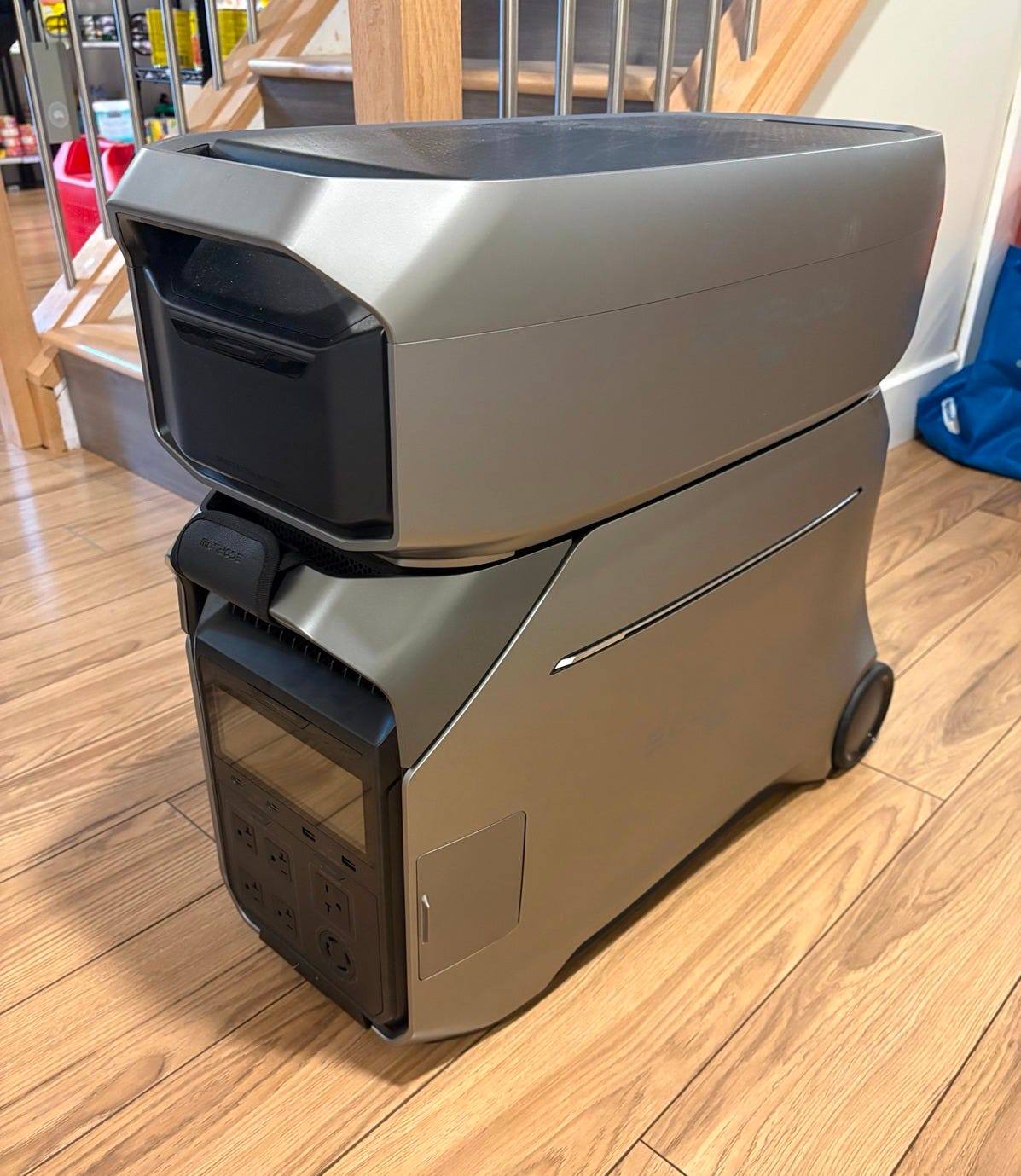
Make sure to read the safety instructions carefully on any generator you buy, since they generally put out lots of carbon monoxide. You certainly shouldn’t run it indoors for that reason.We’ve found Ecoflow batteries (try the Delta Pro 3) work very well with this kind of energy system, though you might also be able to use a Powerwall. A lot of power companies will let you look up your monthly and daily consumption online on their websites now, so you can use that to benchmark how much storage and capacity you need for your system.7
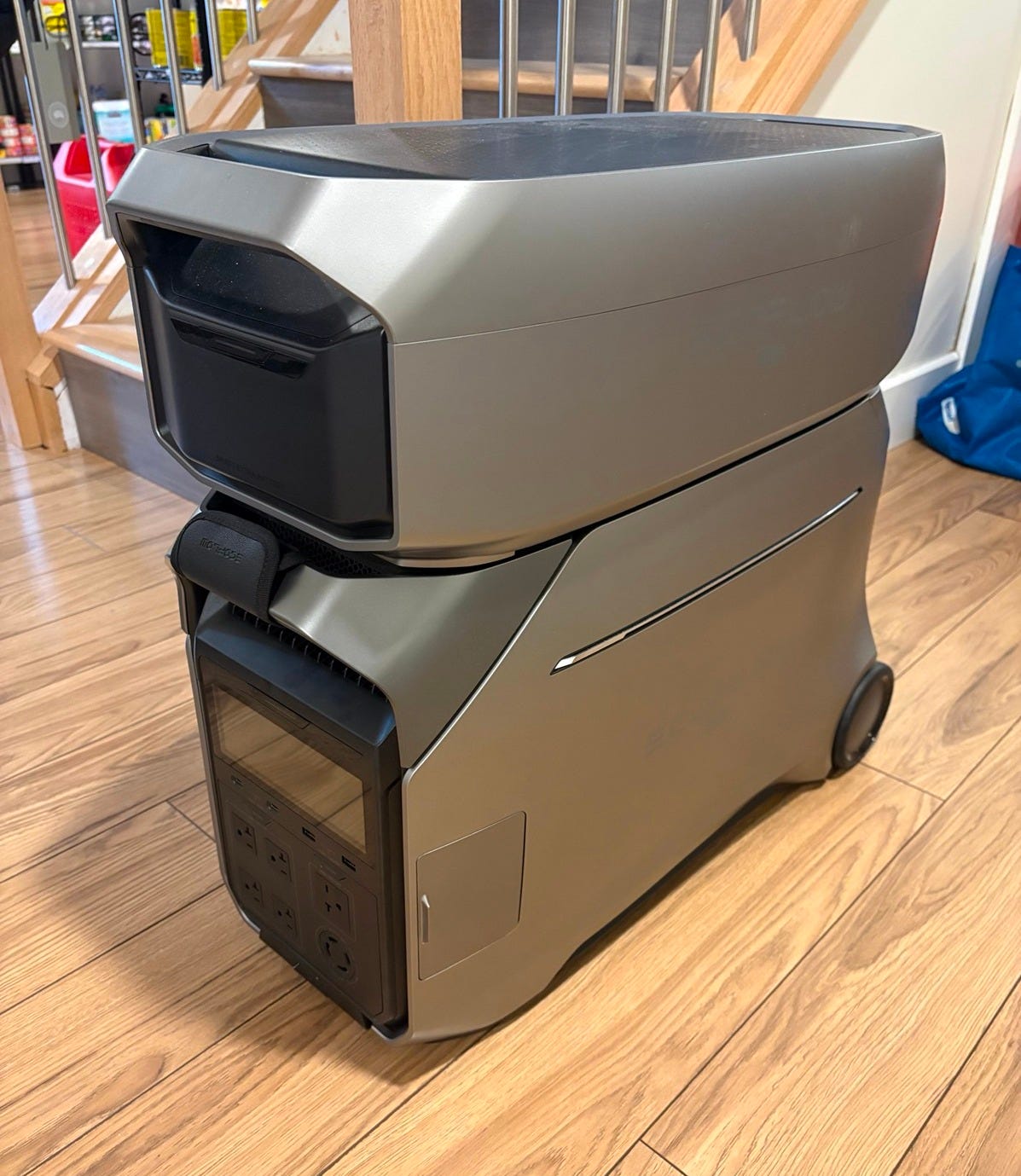
EcoFlow Delta Pro 3 with extra battery. These are quiet, efficient, and simple to set up and use. We’ve heard Powerwalls are good too but haven’t tried those.
Jackery generally does good solar power systems, but possibly Tesla/Solarcity will work for a domestic install, or you could get a local contractor. Solar is pretty location dependent, but if you live in a place like Los Angeles you should be able to run a house indefinitely with well maintained rooftop panels. The Jackery panels can be better in some cases though, because you can fold them up and put them away once you’ve got the power you need for the day. We ourselves have direct experience with small solar panels but not bigger ones.
Get batteries for your devices as well — AA, AAA, 9V, and so on — plus a battery charger. In a warm climate, going all rechargeable is probably fine. If you’re in a colder climate, you’ll need a mix of non-rechargeable and NiMH rechargeable batteries, because regular lithium-ion batteries can’t be charged safely at below freezing temperatures. Energizer Ultimate Lithium (non-rechargeable) are probably. the best batteries for extreme temperatures, both hot and cold.
Get some fuel containers (jerry cans) and fuel stabilizers, and keep a supply of gasoline on hand. Automobile gas can’t be stored longer than 24 months, even if you use fuel stabilizers. Diesel is the same. Propane can be stored indefinitely, but propane vehicles are expensive and usually require a retrofit, so I would just store a few extra cans of regular gas and rotate them.
Heating and cooking
This depends a lot on where you’re located. If you’re south in a temperate area, such as Los Angeles or San Francisco, home heating might not really matter for you at all. But if you live further north like in New York or Minnesota, it could be life or death. If you can install a wood stove, that’s probably ideal for sustainability. If you have a natural gas fireplace, that’s good but not perfect, since you’re still dependent on an external input.8 The solution for most folks is probably to get a camping stove with some propane or butane to supply it. And then, depending on your energy situation you may be able to use a portable induction stove as a backup to cook.
Stoves like these put out carbon monoxide, so they’re best used outside. At the very least, make sure you have a CO alarm in your house or apartment (that does not connect to the Internet).
Comms
In a crisis, there could be periods where ordinary communication channels don’t work. Most ordinary phones use networks of terrestrial cell towers, so for long distance, the best backup options involve satellite comms. The major satellite networks are:
Globalstar, already used by iPhone for emergency service
Starlink, the overall best one
Iridium, the original pre-Starlink communication satellite constellation
If you want lots of redundancy, you can get several devices that work from different physical satellite constellations.
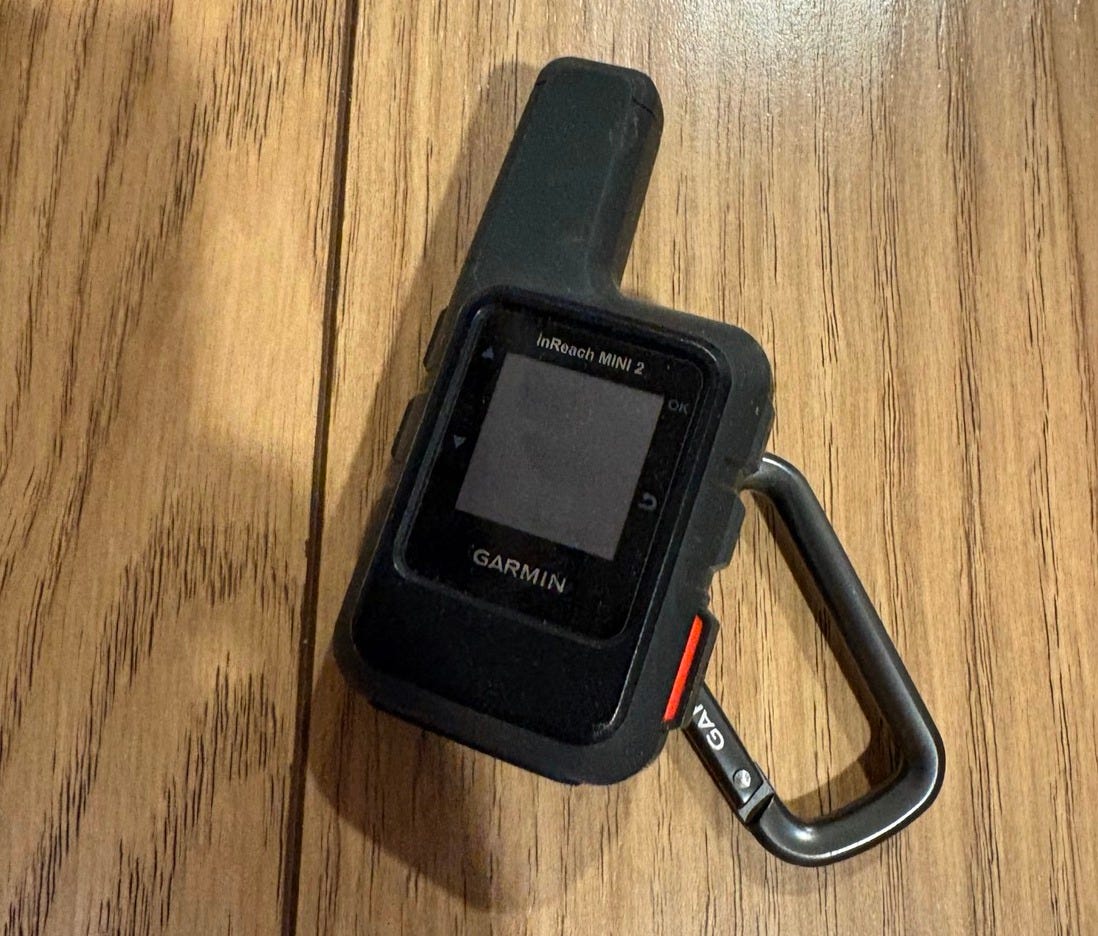
We’d recommend getting a Starlink mini for mobile satellite internet. For extra redundancy, you could also get a GPS texting device like a Garmin. which works on the Iridium constellation. If you want to go really high end, you can get Iridium satphones like the 9555, but be warned that both the device and the minutes/phone plans are obnoxiously expensive. (In general, Iridium works pretty well, but it’s far more expensive and far higher in bandwidth consumption than Starlink.)
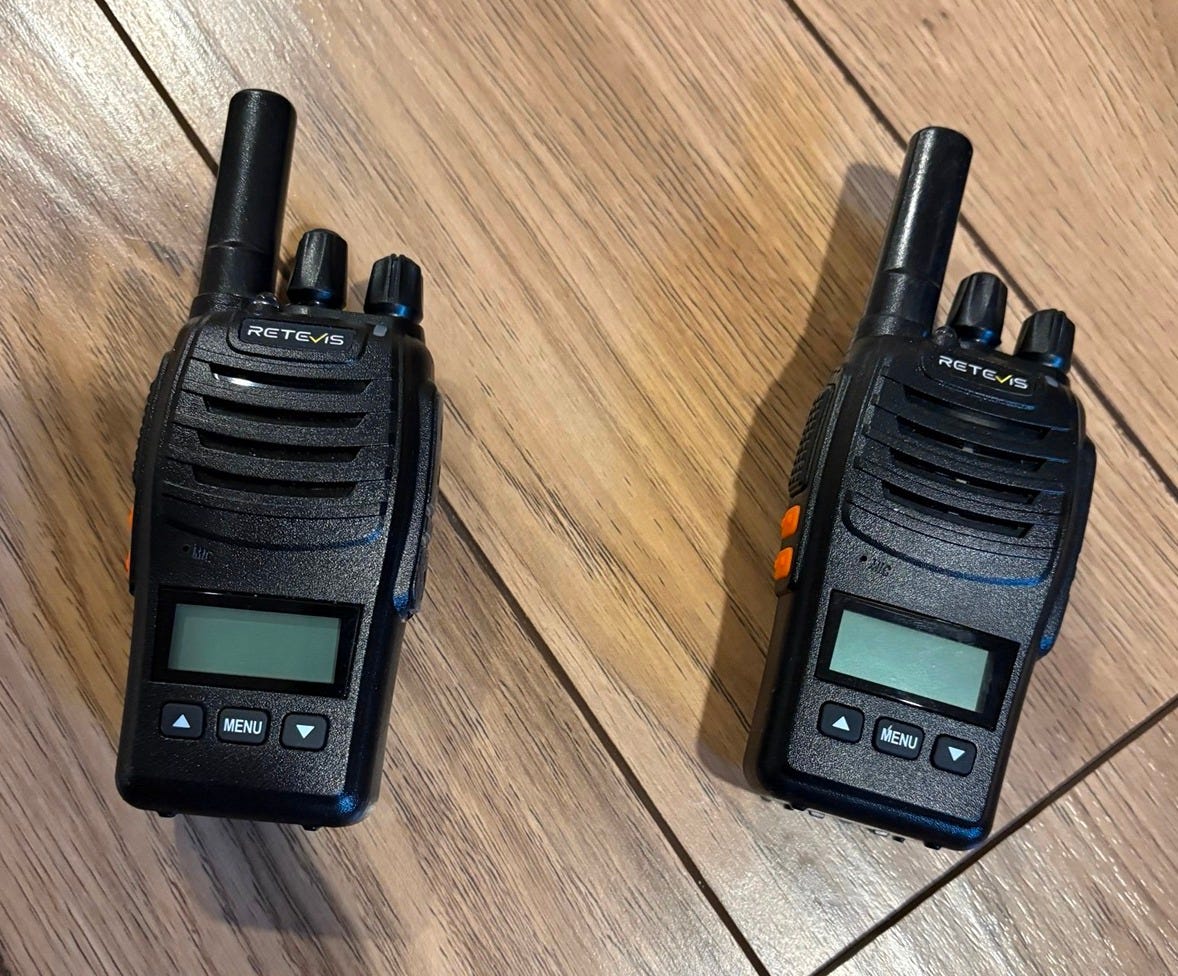
It’s definitely worth getting some walkie-talkies for short range comms as well. At some point you may have to move and while keeping in touch with other people in a group. Walkie-talkies are generally quite cheap. We use a couple of Retevis H777Ds, but there are lots of options here.
RF shielding
This is a somewhat speculative section and you may be able to safely skip it, but it’s informed by our own experience in the field as well as some specific suggestions from special operators and members of the U.S. intelligence community.
Briefly, top tier nation states can and do perform spectacular feats of information collection, access, and extraction using radio frequency signals. The most powerful of these approaches use high power radio signals that you aim at a target (e.g. “RF flooding”), but lower power approaches do exist. Those low power techniques have until recently been limited by the difficulty of reconstructing a signal from the data received (when extracting information), and of tuning an emitted signal finely enough to produce a desired effect at the target (when used offensively). This kind of reconstruction and tuning are exactly what we expect advanced AI to excel at, so we guess that RF-based attacks and information extraction may become a more common threat model for the general population, and may even be leveraged by rogue AI swarms in various ways. But we aren’t very confident of this, so if you’re looking for something to drop from this list, you can drop this section.
It could be worth getting some RF shielding for your electronics devices to mitigate remote hacking under some conditions. A metal case (like a Zero Halliburton briefcase) will block a lot of RF, and while it won’t be perfect, you can cover gaps with Faraday tape (see below).
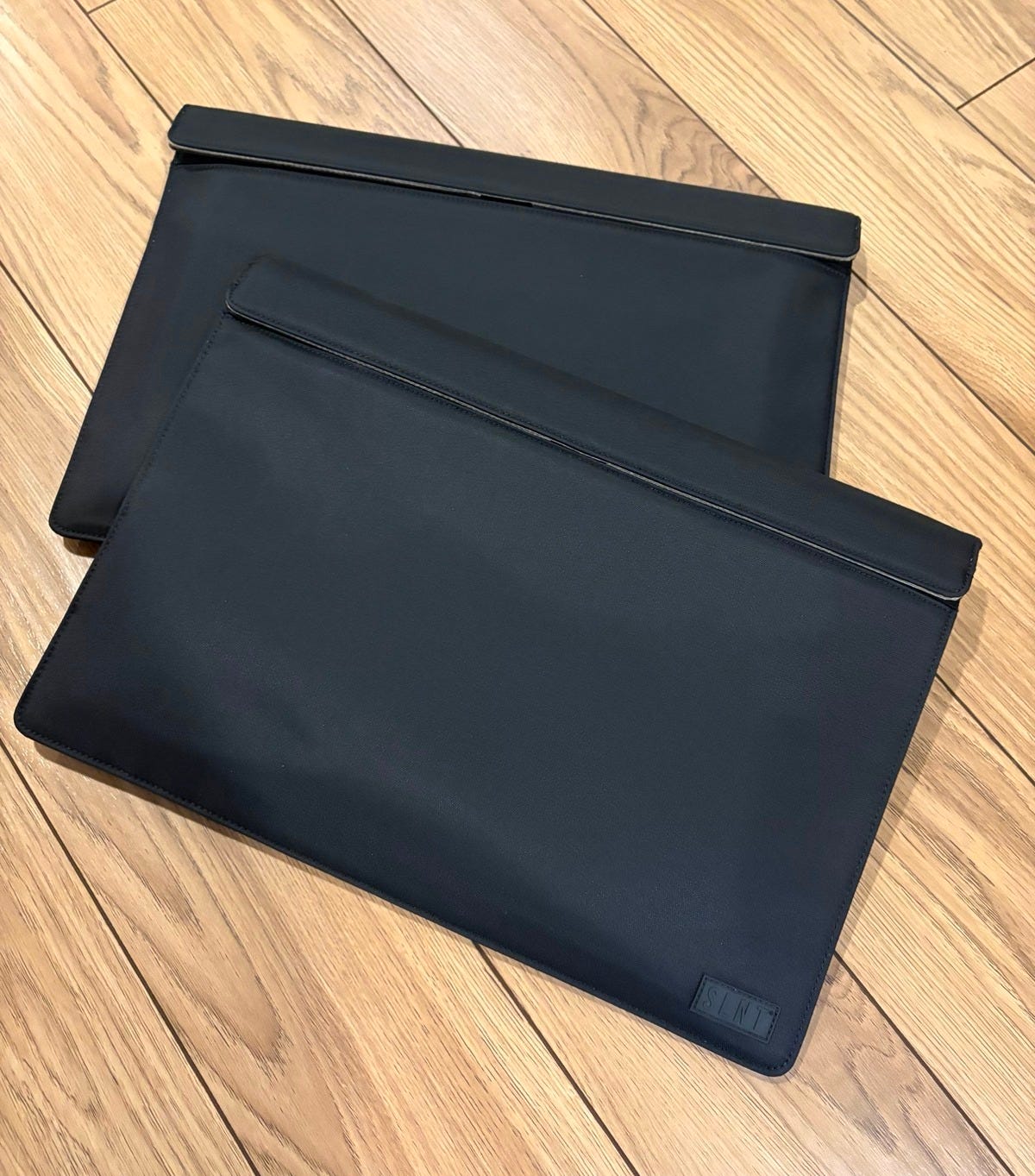
A good brand for backpacks and bags is SLNT. A number of Tier 1 special forces operators we know have tested several competing brands, and according to them SLNT is the only one that seems to work consistently — though you have to close and fold them up properly for them to work. SLNT make duffels, backpacks, and sleeves for phones and laptops. Note that their gear can get quite expensive.
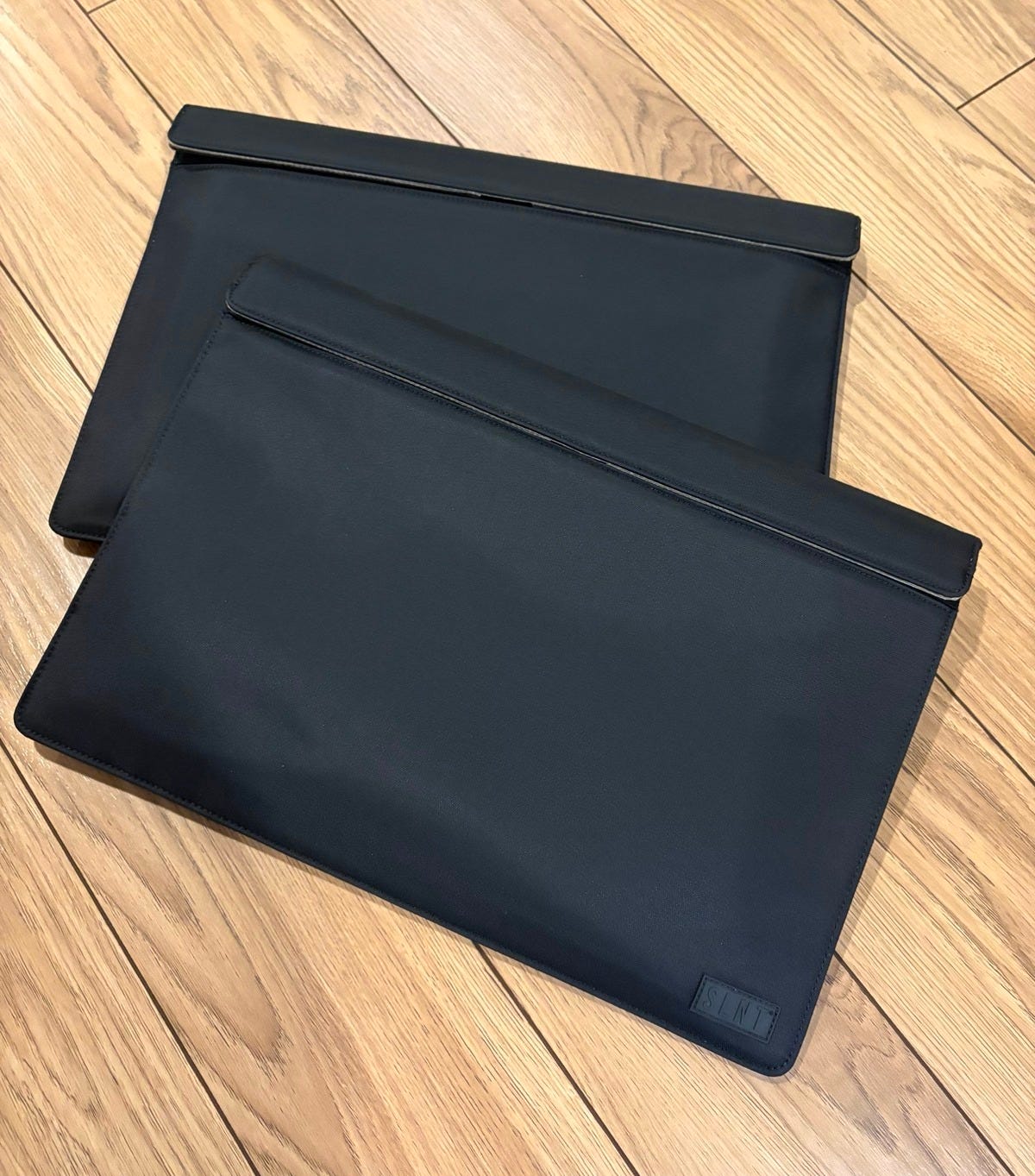
Backup laptops in SLNT pouches for RF shielding. You can also get some Faraday tape to jury rig RF shielded enclosures as needed. Titan RF / Mission Darkness is the brand we’ve been recommended. RF shielding gear that works is annoyingly expensive (because it’s military grade), so skip this if you’re on a budget.
Aluminum foil is also good for RF blocking in a pinch, but be aware that without Faraday tape to hold an aluminum enclosure together, you almost certainly can’t fully block RF emanations. (Though in most scenarios, you probably don’t need to.)
Medical
This is mostly covered by making sure you have a decent supply of all your prescription medications, plus first aid kits of various tiers depending on your budget and expected mobility requirements.
Get a 90 day supply of all your prescriptions, medications, contact lenses, etc.
We’ve gotten strong recommendation from former military friends to stock 1) an ordinary first aid kit; 2) an individual first aid kit (IFAK); and 3) a blowout kit. These three terms are sometimes used interchangeably but they are not exactly identical. Below is a description of the differences; depending on your situation you may not need all of these.
An ordinary first aid kit is what most people think of when they think “first-aid kit”. It’s designed for minor comfort, everyday healing, and infection prevention. It will generally include things like Band-Aids, ibuprofen, tweezers, antiseptic wipes, and burn cream. Generally people keep these in the house or car.
An IFAK is a military kit designed for life-saving stabilization in the face of severe trauma. It includes tourniquets, chest seals, hemostatic gauze, pressure dressing, and similar items. The recommendations we’ve heard suggest looking for one that includes Israeli style bandages and combat application tourniquets.
A blowout kit is focused on really bad injuries that could kill someone in minutes if left untreated, the classic example being gunshot wounds. It’s generally highly compact and kept on a belt pouch or similar. Includes a tourniquet, hemostatic gauze, pressure dressing, and compact shears. A blowout kit is generally a strict subset of an IFAK, but it’s usually considered separately because it’s something you can carry around at all times (which isn’t necessarily true of the bigger IFAK).
Note: these recommendations come to us from individuals with direct experience operating in crisis and escalatory environments, though generally in a context where advanced medical care is distant but still available. i.e., a bad injury may need to be stabilized in the field with little support, but the injured individual can still expect eventually to be evacuated to a suitable medical facility. Some of the components of an ordinary IFAK may be of limited use under conditions where no functional medical facilities are locally available. For example, “a tourniquet only gets removed by a doctor” is a common best practice, but may not be achievable under conditions of major infrastructure disruption. We aren’t experts in emergency medicine, but we want to note the point at which the guidance we’ve received from experts may fall outside the context those experts are familiar with.
In addition to the kits above, it’s worth also packing some pain management (Tylenol/aspirin), antidiarrheals, antihistamines, and antibiotics — though you may need to get a prescription for the latter.
Logistics
There are three main considerations here. First, you may want to exit urban areas in the event of a crisis. Second, it may be difficult to do so without some kind of off-road capability, since streets could be blocked or impassable by regular vehicles. And finally, in this threat model, networked vehicles are at potential risk of cyber hacking via their telematics systems.
It’s worth having a bicycle on hand for each person in the household if you can, since a bike lets you travel far with no fuel, and dodge traffic. Depending on season and where you’re located, you might also want to get studded tires for winter riding. Motorcycles or ebikes can be useful for similar reasons.
We were originally going to recommend buying an older vehicle that has no cellular model or telematics embedded — which would have been unfortunate, since not may people can afford to do this. Fortunately, we recently found out that for many modern vehicles, it’s possible to disable the telematics or data communication module (DCM) very simply, by removing its designated fuse. We actually recommend most people do this, since it really does reduce your vulnerability surface quite significantly in an area that could be essential for your personal mobility in a crisis. The worst case scenario is that you need to get somewhere in an emergency, and you find your vehicle’s been bricked by a cyberattack.
A mechanic should be able to do disconnect the telematics on most vehicles for a few hundred dollars. (We do recommend checking with them and/or your dealer to understand whether this risks impacting other functions of your vehicle.) Unfortunately, our understanding is that this procedure is far more complicated, expensive, and error-prone to execute on Teslas. We think it would be extremely helpful to local and national resilience if Tesla made its vehicles less reliant on telematics, though this would probably disrupt their operating model.Buy paper maps of your local area and make sure you know how to read them and navigate without a GPS.
Miscellaneous
This is a very incomplete list and in general depends on personal preference, but we’ve included the items we’ve had recommended most and links to some of their uses.
Get a bunch of 3 mil contractor bags. These are super useful and versatile. You can fashion shelters, ponchos, and various kinds of weatherproofing out of them, or use them to collect rainwater, block windows, and so forth. Plastic tarp is also good for similar things.
Get lots of duct tape, this is useful for lots of things.
Get flashlights, knives for practical use, and a basic tool kit (screwdrivers, pliers, hammer, that kind of thing). Also hatchet, axe, and saw. Maybe even a maul.
It’s useful to get flashlights and headlamps that have a “red only” mode, so you can use them without disrupting your night vision. (i.e., you can immediately turn off a flashlight that was in red mode, and still see in the dark.)
A hand-cranked NOAA weather radio is likely a good way of maintaining environmental awareness in the event comms networks go down.
If budget allows, you can get a 3D printer and accessories which can be super handy for printing components you may need. But this is non essential.
Tactical
There’s a whole post we could write on tactical preparedness, but the basics are just to get a gun and some ammo. Some people we know have a shed full of guns, body armor, piles and piles of ammunition, and all sorts of other gear. We understand why some people do this, but we don’t necessarily recommend going too far beyond the simple basics you need for self defense. But this is very much a personal choice.9
Bugout site, if you can
If you know someone — a family member or a good friend — who lives far outside an urban area, it could be worth pooling your resources together with them in case of infrastructure disruptions. If you’re wealthy enough yourself, you could even buy a cottage with a few acres of land out of the way of busy areas. With enough time, you could in set up solar power, generators, propane tanks, a food supply (e.g., supplemented by a greenhouse), drill a well, and so forth. It’s quite possible to live off grid these days, though it does take some amount of wealth and real preparation. Unfortunately this strategy isn’t accessible to everyone, though it may be easier to achieve if you can combine your resources across many people to purchase a property and prepare it. We know many people, including current and former employees of frontier AI labs, who are doing versions of this.
If you do set up some kind of bugout property or cottage, you’ll need a plan to get there in a crisis. If and when it becomes clear that something quite bad is happening, the roads are likely to get clogged, so it may be difficult to travel in a car. There are two main strategies to use here, depending on what stage of life you’re at — by which we mostly mean, whether you have young kids or not. You can also use both of the strategies below to maximize your odds.
The first strategy is to leave for your cottage whenever there’s even a slight hint that something bad might be happening. For example, if there’s a power outage and communication disruption that lasts more than two hours, go to your cottage. If you hear about the first few cases of a novel illness in your country or state, go to your cottage.
You end up going to your cottage a lot with this strategy. This is good. It means you’ll get practice going to your cottage, bringing along your emergency bag and so on, under realistic conditions. It also means you stop treating going to the cottage as an emergency, which means you end up being more calm and organized as you pack. If you have toddlers or young kids in the house, this is probably the way to do it.The second strategy is to have a bike, ebike, or motorcycle in good condition. Even then, you’ll still want to leave earlyish relative to everyone else. But you can wait a bit longer to see how things are shaping up, because bikes can navigate blocked roads much better than cars can. If you’re living on your own or only among adults and/or teens, you might be able to use this strategy.
Get in touch with your neighbors
Finally, wherever you live, you probably have neighbors. For most people, there’s not really a way to lock yourself away from everything, and survive on canned food in a personal fortress. (Though some people we know are trying!) Talk to your neighbors about resilience, and share recommendations with them. The more everyone is prepared, the better off everyone is for whatever may come.
Does this just make you a target?
Finally, there’s a legitimate consideration that preparing in this way could just make you a target for looting. This is certainly something we are concerned about. But by and large, our view is that the more prepared people are, the more resilient the country is as a whole in the face of anything that happens. Separately, we believe people have the right to know what may be coming and how to prepare. And finally, apart from preparing your home or property for disruptions, it’s very much worth investing in personal mobility to ensure you have as many options as possible.
We’ll continue to push guides and improvements to our preparedness webpage to help people as much as we can. Good luck and stay safe.
This was in the wake of work we did for the State Department on the national security risks of advanced AI systems.
Interestingly a lot of this early research was based on preparedness guidance written by the LDS Church, who have written a book on preparedness that’s excellent though now a bit out of date. The LDS Church is, of course, also famous for maintaining a substantial national infrastructure of emergency food caches and supply warehouses throughout the United States.
Imagine a synthetic virus that spreads first with no symptoms, but switches to become lethal a month after it’s initially introduced. Today, we would not in practice be able to defend against something like this.
We expect the ongoing AI buildout to distort prices across multiple supply chains over time, and to impact consumer affordability across an increasing variety of goods. For that reason, we recommend front-loading purchases of durable physical goods if you have the financial means to do so. This could change significantly if we get an AI pause agreement in the wake of an AI Chernobyl event.
If you have your own backyard and you have a day for a hardware project, you may be able to drive your own sand point well. This can give you unlimited water although you should get it tested before drinking. Instructions in this video. You probably want to look up soil quality and success rates of other sand point wells in your city/neighborhood because not all areas are suitable. Neither Ed nor Jer have done this ourselves, but a good friend of ours has, so we’re mentioning it.
We actually don’t recommend powering the Champion generator with gasoline unless you have no other choice, since that makes it much harder to clean.
We’ve noticed one of the downsides of the Delta Pro 3 is that you can’t use it to charge anything while the main battery itself is being charged at 240V. (If charging at 120V this problem disappears, but charging then takes twice as long.) Despite this problem, the system works quite well for us overall.
Although natural gas distribution networks tend to have better redundancy than power grids in most geographies, so it’s much better than nothing.
Very briefly, the country is safer overall if everyone uses their marginal income to buy food rather than guns, and food is less likely to go to waste if a major incident doesn’t happen. Apart from that, people who have guns but no training can create more risk for themselves rather than less. Again, though, this is an individual decision.
As a parent of young kids in an urban environment in a house that has no storage space in a neighborhood that's just getting by and unlikely to have the emotional or physical energy to legitimately consider this threat possibility, preparation feels daunting. It seems like a to go bag might be best but I don't have the money or community to buy a property to then bug out to. People think I'm crazy as it is for buying a week's worth of food and a small electric generator. Not to mention that I'm not exact rolling in money.
I appreciate all of the well sourced info. If you have any ideas for folks in my specific ajoes, I'd be all ears.
Don't underestimate what you can do with a well-outfitted but fairly inexpensive RV. Many of the above items are far cheaper if you're trying to make it possible to live for a month off grid in a mid-sized trailer than to keep a whole house running.